
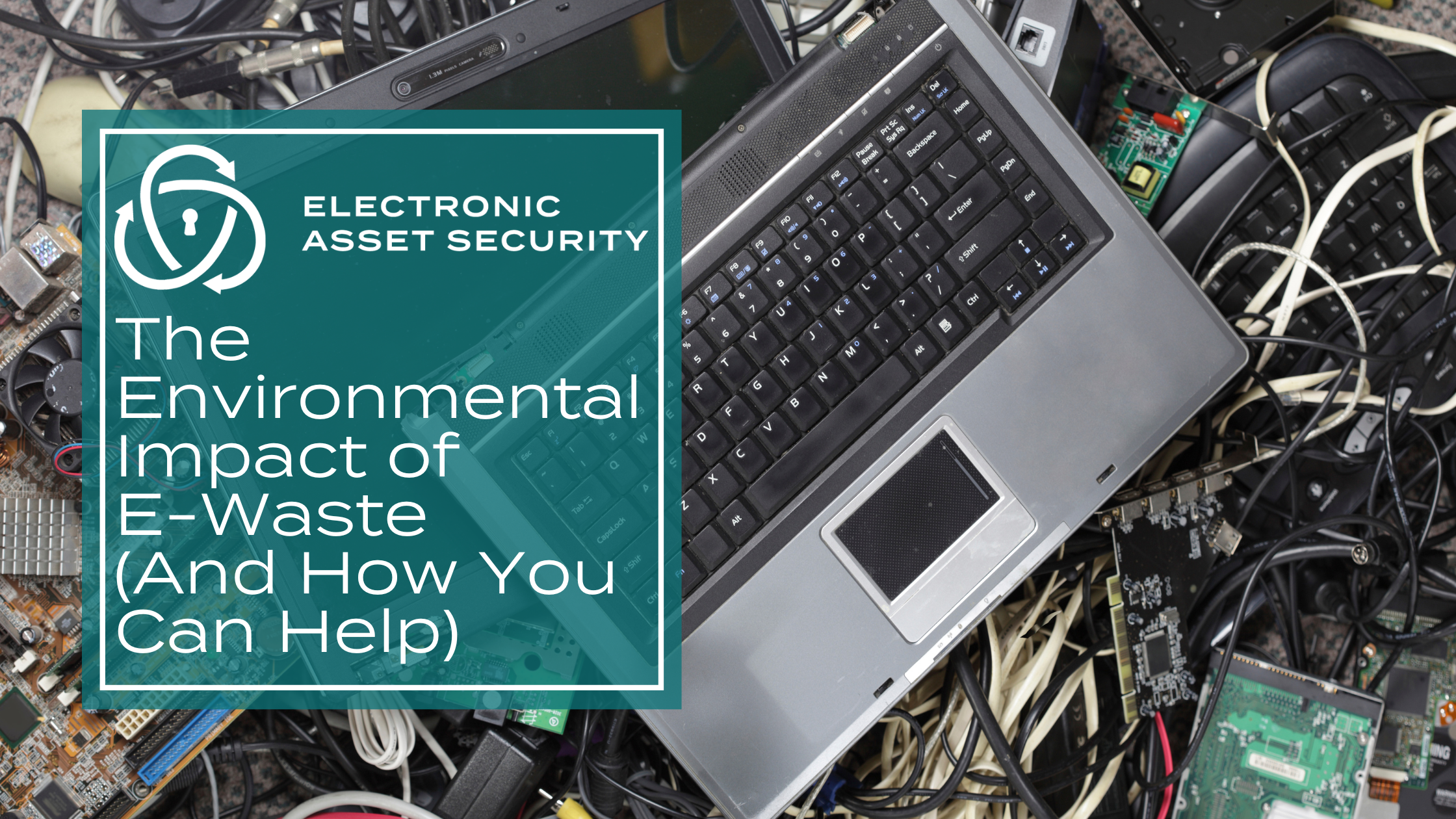
E-waste is one of the fastest-growing waste streams on the planet, and the United States is one of the biggest contributors. Every year, millions of tons of old computers, phones, printers, and other electronics are discarded, many of them still usable. Unfortunately, the majority end up in landfills or are improperly handled, creating serious environmental and health risks.
When electronics are tossed in the trash, they often leach toxic substances like lead, mercury, cadmium, and flame retardants into our soil and water. These chemicals don’t just vanish. They build up in ecosystems and can eventually make their way into our food supply, posing long-term threats to both people and wildlife.
What’s more, improperly discarded electronics represent a huge waste of resources. Inside that old laptop or smartphone are valuable materials like gold, copper, aluminum, and rare earth elements. These materials are not only expensive to extract and refine, but mining them also causes significant environmental damage. By failing to recycle, we’re not only creating waste, we’re literally throwing away opportunity.
E-waste also contributes to the global digital divide. In many cases, discarded devices could be refurbished and used to support digital learning, job applications, or communication tools, especially for underserved individuals and communities.
So, What Can You Do?
- Recycle responsibly: Always choose a certified electronics recycler like EAS. We ensure every device is processed securely, sustainably, and in compliance with the highest industry standards.
- Extend product life: Before replacing, ask if the device can be reused. Donate or refurbish working electronics to help keep them out of landfills and in the hands of someone who can use them.
- Avoid the trash can: Never toss electronics in with regular garbage. E-waste requires specialized processing to be handled safely and legally.
- Educate others: Many people simply don’t know how harmful e-waste is or how easy it is to do the right thing. Help spread the word to your coworkers, friends, and family.
- Support programs that give back: At EAS, for example, some of our refurbished devices are donated to community-focused programs like Best Buddies, helping bridge the digital divide and empower individuals in need.
At EAS, we believe that recycling electronics is about more than waste management. It’s about doing right by the planet, protecting our communities, and creating positive change with every device we touch. When you recycle with us, you’re part of a larger solution. One that helps keep Iowa cleaner, greener, and more connected.